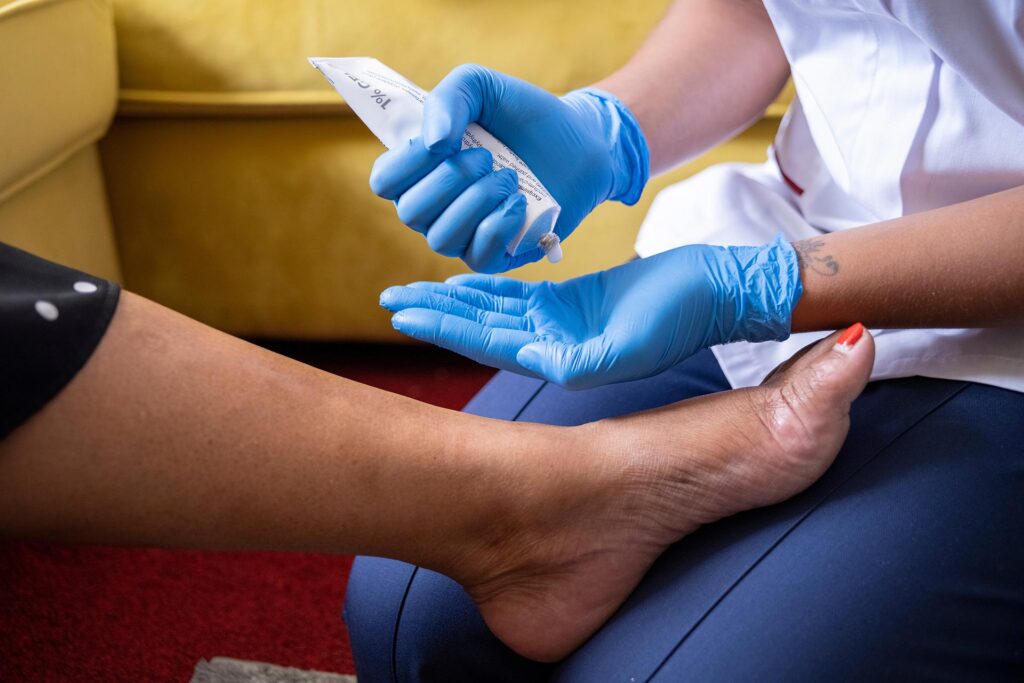
When we think of health, our feet are often the last thing on our minds, but taking care of them is crucial, not just for staying mobile, but for our overall well-being. Foot problems, from fungal nail infections to issues linked with diabetes can lead to serious consequences if ignored. This article sheds light on the benefits of foot health care and how paying attention to your feet can improve your quality of life.
The average person walks around 100,000 miles in a lifetime—no small feat! Our feet carry us through each day, providing balance, mobility and independence; however, they often bear the brunt of neglect and everyday wear and tear. Ignoring foot issues can lead to discomfort, disability and in some cases, severe health problems that impact more than just your feet. Maintaining good foot health is essential to living a healthy and active life.
1. FUNGAL NAIL INFECTIONS: THE HIDDEN DISCOMFORT
Fungal nail infections, or onychomycosis, are more common than many people realise. Characterised by thickened, discoloured and sometimes painful nails, this condition is more than a cosmetic concern—it can lead to chronic pain and further infections if left untreated. In severe cases, fungal infections can cause nails to separate from the nail bed, creating an environment ripe for bacteria.
Treating fungal infections often requires anti-fungal creams, medications, or laser treatments, depending on the severity. Prevention is also key, with regular cleaning and drying of feet, breathable shoes and avoiding damp communal areas without protective footwear.
2. DIABETIC FOOT CARE: PREVENTION IS BETTER THAN CURE
Diabetes can significantly affect foot health due to poor circulation and nerve damage (neuropathy). Reduced blood flow impedes the body’s ability to heal and nerve damage can make injuries go unnoticed until they worsen, which can lead to ulcers, infections and in extreme cases, amputation. Consistent foot care can prevent severe complications, reducing the risk of life-altering surgeries.
Exercises, proper footwear and even simple massage can enhance blood flow, supporting foot health and mobility.
Routine care for diabetic feet involves regular checkups with a podiatrist, daily self-inspections and wearing specialised shoes or insoles that prevent pressure points. By staying vigilant, people with diabetes can lead active, comfortable lives and minimize foot-related complications.
3. VERRUCAS: A SMALL BUT STUBBORN PROBLEM
Verrucas, or plantar warts are caused by the human papillomavirus (HPV) and commonly appear on the soles of the feet. They can be painful, particularly when they develop on pressure points like the heels or balls of the feet. Verrucas are often contagious and spread in communal areas like pools or gym locker rooms.
Treatment options for verrucas include over-the-counter remedies, cryotherapy (freezing the verruca), or even laser treatment. It’s also wise to practice good hygiene by wearing flip-flops in communal showers and keeping feet clean and dry.
Treating verrucas can relieve the discomfort and difficulty associated with pressure on sensitive areas of the feet and stop them from spreading to other areas of the foot or to other people.
THE OVERALL BENEFITS OF GOOD FOOT CARE
- Beyond treating specific conditions, regular foot care has benefits that enhance your quality of life, including:
- Improved posture and balance – healthy feet support proper alignment, making movement more comfortable and reducing the risk of falls.
- Better mobility and independence – without foot pain, people are more likely to stay active and independent, especially as they age.
- Increased self-esteem – feeling confident about the appearance of your feet can make a world of difference, especially for those who enjoy swimming, yoga, or simply going barefoot.
TIPS FOR MAINTAINING HEALTHY FEET
- Daily checks – look for cuts, blisters, redness, or swelling.
- Keep them clean and dry – moisture can invite infections, so dry well after showers.
- Wear appropriate footwear – shoes that fit well and provide support prevent a range of issues.
- Trim nails carefully – cut nails straight across to avoid ingrown toenails.
- Moisturise your feet – hydrated skin is less likely to crack, especially around the heels.
- See a specialist when needed – don’t hesitate to consult a podiatrist for any unusual symptoms.
CONCLUSION – INVEST IN YOUR FOOT HEALTH
Foot health is a cornerstone of overall well-being. Healthy feet mean improved mobility, less pain and the confidence to stay active and engaged in daily life. Whether you’re an athlete or simply looking to improve your quality of life, regular foot care is a small investment with a big payoff. After all, a strong foundation leads to a better, more mobile and more comfortable life.
If you would like help looking after your feet, give me a call at Walnut Grove, I’ll be pleased to help.
Use the link below to book your appointment today
https://walnutgrove.janeapp.co.uk/locations/walnut-grove-clinic/book#/staff_member/55