
Acupuncture
What is Acupuncture?
Chinese medicine is a tried and tested system which has been used for thousands of years to restore, promote and maintain good health. Nowadays more and more people are turning to Chinese medicine as an effective solution to a wide range of health problems. Chinese medicine includes acupuncture, herbal medicine and Qi Gong, a system of meditation, self-healing and exercise.
According to traditional Chinese philosophy, our health depends on energy moving in a balanced way through the body. This flow can be disrupted by many factors including anxiety, infection and hereditary conditions. Acupuncture aims to stimulate the body’s own healing response by inserting very fine needles into specific points on the body to influence the flow of qi, or vital energy.
At Walnut Grove, we also offer Toyohari acupuncture, a Japanese style of practice rooted in the same classical meridian theory as Chinese acupuncture but distinguished by its exceptional gentleness. Toyohari practitioners use extremely fine needles with a light touch technique, and some approaches within the tradition work without any needle penetration at all. It is particularly well suited to those who are sensitive, nervous about needles, or who have not responded as expected to other forms of acupuncture.
Western acupuncture, also known as dry needling, is a related but distinct approach used by physiotherapists and osteopaths at Walnut Grove. It uses the same fine needles to treat muscle pain and trigger points, but does not have a basis in traditional Chinese medicine.
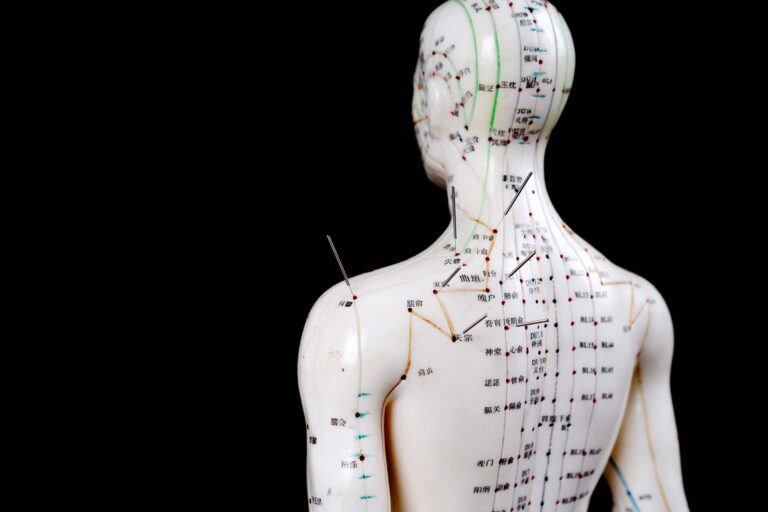

How Acupuncture helps you
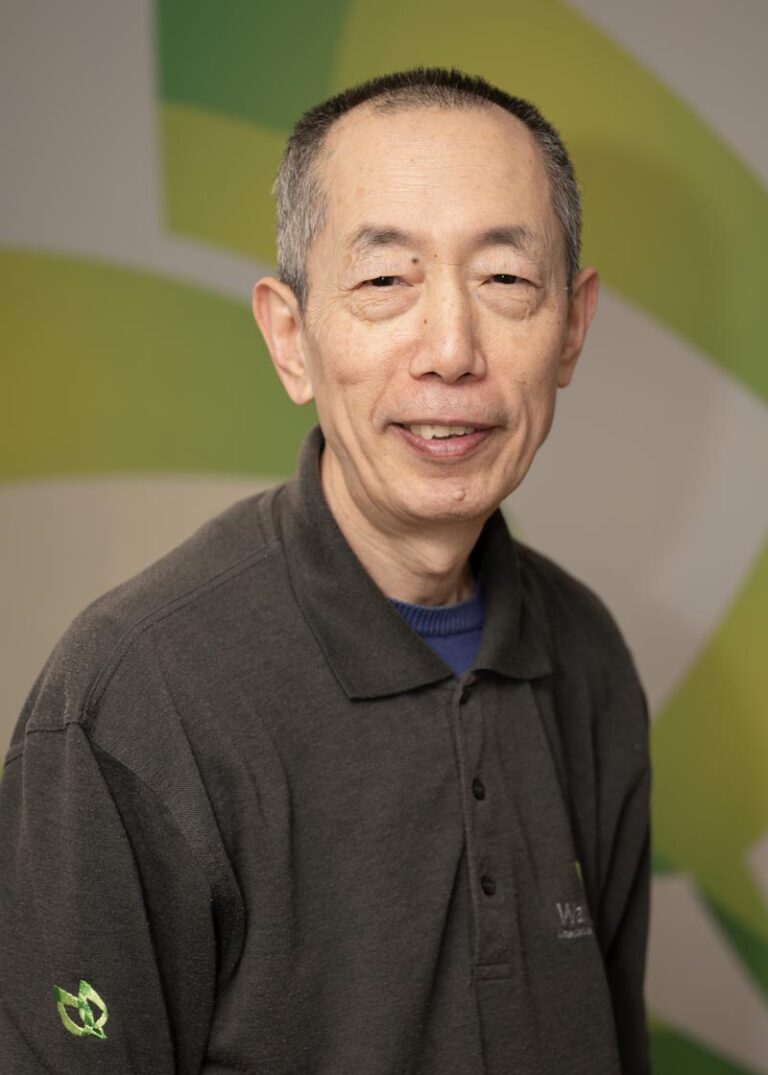
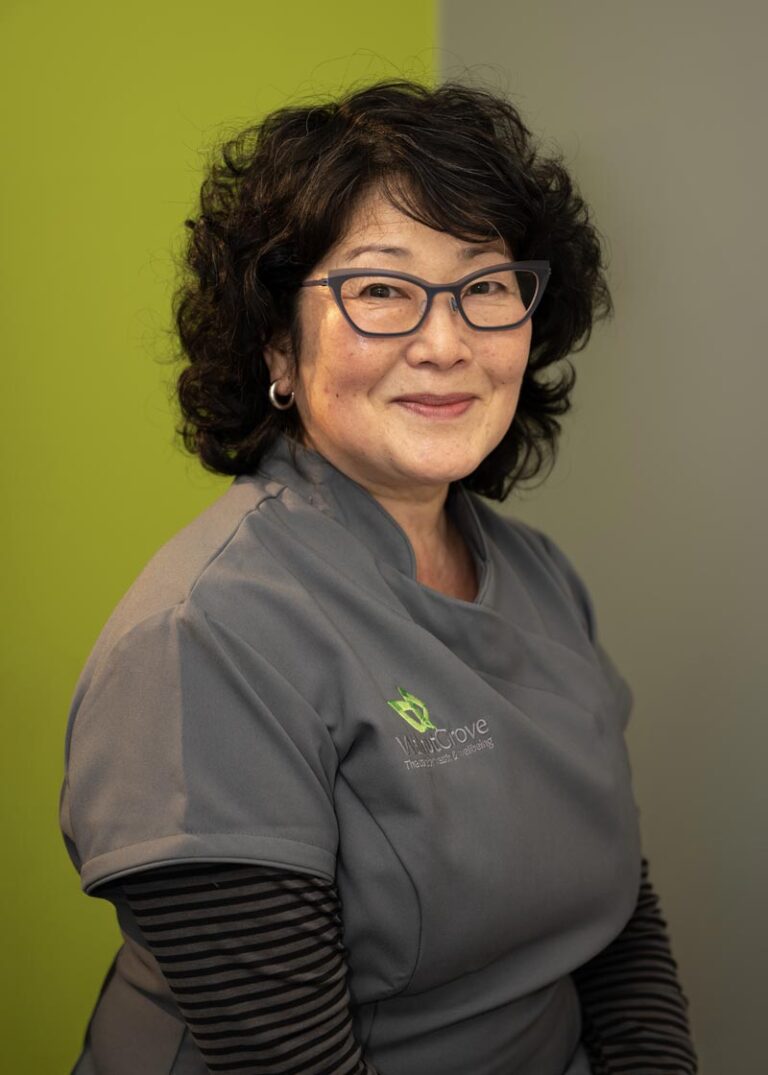
Our Acupuncturists
What our patients say
I went for the acupuncture and immediately felt better. I was sceptical about 3 sessions but now I'm not and hopefully I'll be pain free for my wedding day!
My problem was thoroughly examined me and treated, I also had acupuncture which really helped me. I walked out feeling so much happier as I was far more mobile than when I went in.
I have used Acupuncture for 30 years. About 4-6 times a year. The previous practitioner retired last year and so I moved to Dr. Tong. His applications are different but have been very therapeutic during a difficult and stressful business year.
Dr Tong is quiet, very gentle and caring. He listens attentively. Both my husband and I rate him very highly.
Acupuncture FAQs
What is acupuncture?
Acupuncture is one of the longest established forms of healthcare in the world. Acupuncturists use subtle diagnostic techniques developed and refined over thousands of years. The focus is on you as an individual, not your illness, and all symptoms are seen in relation to each other. Treatment involves the insertion of very fine needles into specific points on the body to affect the flow of qi, or vital energy.
What is acupuncture good for?
We treat patients rather than conditions, but commonly presenting conditions include: anxiety, asthma, back pain, Bell’s palsy, cancer care, chronic fatigue, chronic pain, depression, eczema and psoriasis, endometriosis, fertility, fibromyalgia, frozen shoulder, headache and migraine, hypertension, menopausal symptoms, neurological conditions including Parkinson’s, stroke and MS, neck pain, nerve pain, PTSD, Raynaud’s, arthritis (osteo and rheumatoid), sciatica, tennis elbow, thyroid disease, tinnitus, type 2 diabetes, urinary incontinence and vertigo. If your condition is not listed, please get in touch. You can also refer to the British Acupuncture Council’s A-Z of conditions at acupuncture.org.uk.
Does acupuncture hurt?
Acupuncture needles are so fine that most people don’t feel them being inserted. It is normal to feel a mild tingle or dull ache as the needle is adjusted. While the needles are in place most people feel deeply relaxed, and this sense of calm often continues after the session ends.
Are there any side effects?
Occasionally a small bruise can appear at a needle site. Some people feel mildly dizzy or tired after treatment but this passes quickly.
How many sessions will I need?
That depends on your individual condition. Initially your acupuncturist will normally ask to see you once or twice a week. You may notice benefits after the first or second treatment, though long-standing conditions usually take more time to improve. Many people also use acupuncture as preventive healthcare, returning for a seasonal tune-up throughout the year.
I am nervous about needles - can I still have acupuncture?
Yes. Acupuncture needles are far finer than those used for injections or blood tests. Certain styles, such as Japanese acupuncture, use needles that barely penetrate the skin. Most people are surprised by how little they feel.
Is acupuncture safe for babies, children and teenagers?
Yes. Children and adolescents usually respond very well to acupuncture and it is considered suitable for all ages.
Should I tell my doctor I am having acupuncture?
If you are currently receiving treatment from your doctor it is sensible to mention that you plan to have acupuncture. Your acupuncturist will need to know about any medication you are taking as this may affect your response to treatment.
I am on anticoagulants - can I still have acupuncture?
Yes, though some adaptations will be made, such as using thinner needles and avoiding certain points. Please let your acupuncturist know before your first session.
Can I give blood if I am having acupuncture?
If you are treated by one of the osteopaths or physiotherapists at Walnut Grove using dry needling, you can give blood. If you have had acupuncture from Dr Tong you may not give blood for 4 months after treatment. This relates to current blood donation licensing rules rather than any clinical risk.
Will my private health insurance cover acupuncture?
That depends on your insurer and policy. As demand for complementary medicine grows, more insurers are beginning to offer cover for traditional acupuncture. Check your individual policy details before booking.
Acupuncture related articles

Why Choose Acupuncture?

Acupuncture for Arthritis

Supporting your mental health with Acupuncture