
Physiotherapy
What is Physiotherapy?
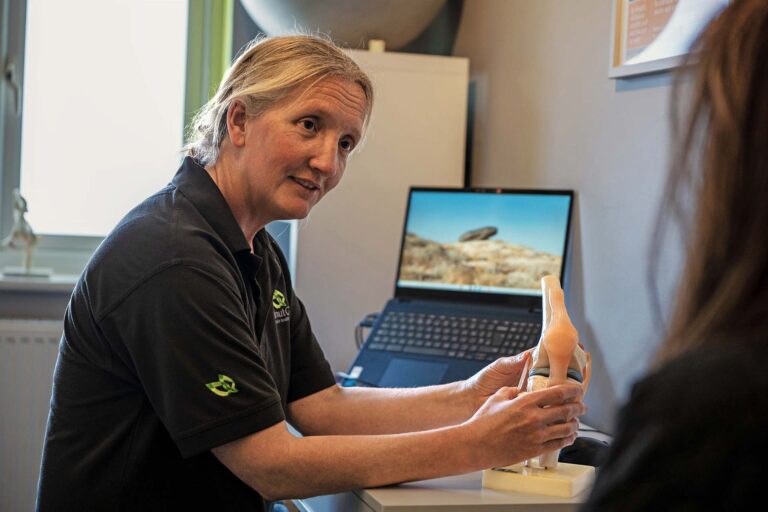
Physiotherapy helps people affected by injury, illness or disability through movement and exercise, manual therapy, education and advice. It is a science-based profession that takes a whole-person approach to health and wellbeing, considering not just the presenting problem but your general lifestyle, activity levels and long-term goals.
At the core of physiotherapy is the patient’s active involvement in their own recovery – through education, awareness and participation in treatment. Your physiotherapist will not just treat you, they will equip you with the understanding and tools to manage your own health more effectively going forward.
Physiotherapy is suitable for all ages and a wide range of conditions, from sudden injury and post-surgical rehabilitation to long-term conditions such as COPD, Parkinson’s and chronic pain. It can also support preparation for childbirth or a sporting event, helping you to perform and recover at your best.

How Physiotherapy helps you
Our Physiotherapists


What our patients say
Friendly welcome. Able to park without difficulty. Therapist listened to my issues, responded appropriately , gave me a thorough examination and suggested a plan with Pilates exercises to move forward. She was reassuring about returning to swimming and tennis. Very professional. I was also impressed with the use of AI. The therapist was able to concentrate on what I said as the interview was being recorded. AI then translated the session into a word document, without the therapist having to remember every detail... Impressive. I was very pleased with the session. Thank you.
Good physio. Tanya listened and provided good understanding and advice for shoulder problem with trapped nerve. Started to feel the benefit after the first session.
My first visit, it was just great - I have been really fed up with my issue - Tanya couldn't have been more helpful, constructive, encouraging and reassuring - I went to her as she was highly recommended to me by an acquaintance and I would highly recommend her altogether
Had an initial review and physiotherapy session with Tanya today. Tanya was very thorough gave good hands on treatment and exercises to follow.
Physiotherapy FAQs
What is physiotherapy good for?
Physiotherapy can help with a wide range of conditions including back, neck, shoulder, knee, elbow and foot pain, sports injuries, arthritis, osteoporosis, asthma, COPD, Parkinson’s, chronic pain, falls and fractures, and pregnancy-related incontinence. That said, we prefer to treat people rather than conditions – if you are not sure whether physiotherapy can help you, get in touch and we will be happy to advise.
What does a physiotherapy session involve?
Treatment is tailored to your specific needs and may include joint manipulation or mobilisation, soft tissue massage, ultrasound or shockwave therapy, acupuncture, exercise therapy, stretching and strengthening, core stability training, biomechanical analysis, and heat or cold therapy. Your physiotherapist will also provide home exercises and education to support your recovery between sessions.
How long does a session last?
Initial appointments usually last around 45 minutes. This includes taking a detailed case history, an examination, and treatment within the same appointment. You may also be given some self-help exercises to take away, either printed or sent by email. Follow-up appointments last around 30 minutes thereafter.
If you haven’t visited the clinic in the last 12 months, another initial appointment will be required. This allows your practitioner to update your medical records since your last visit, or gather the right information if it’s a new problem.
How many sessions will I need?
Your physiotherapist will give you a clearer indication after your first session. As a general rule, more severe or long-standing problems tend to require more sessions, but many patients see meaningful improvement quickly.
Is physiotherapy painful?
Some treatment techniques and exercises can cause mild discomfort, particularly when working to restore function in an injured area. Your physiotherapist will always explain what they are doing and why, and will work within your tolerance at all times.
Can I claim on my private health insurance?
Physiotherapy is covered by most private medical insurance policies. Our practitioners are registered with most of the main providers, so getting treated with us is usually straightforward. We’d recommend checking with your provider on their policy for claiming, and any excess that may apply. Please have your claim number and policy number ready when booking your appointment, so we can claim directly with your insurance company.
How quickly can I get an appointment?
We aim to see patients as quickly as possible, usually within the same week.
Physiotherapy related articles

Staying Safe when Exercising in Warm Weather

Resistance Training

Tennis Elbow