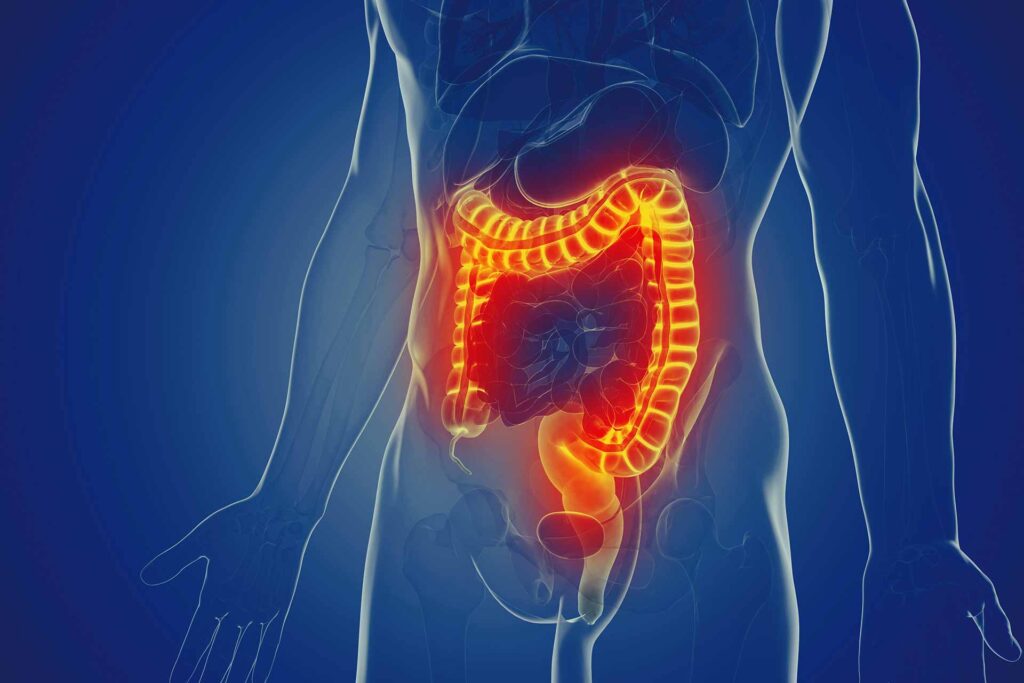
I think this is something most of us have heard of and up to one third of the population suffer symptoms at times.
It is the most common disorder of the digestive syndrome affecting women slightly more than men and with the most common age for symptoms starting between 20-40.
IBS is an illness that has no specific single cause, no distinctive pathology and no single effective treatment. The symptoms can vary from person to person and even in the same person at different times but often in response to stress or changes in diet or lifestyle.
There are a wide variety of reasons why patients develop the condition. However, the single most common trigger to the start of symptoms is following a bout of food poisoning or gastroenteritis. There does not seem to be a genetic cause and there appears to be many factors that can provoke symptoms. Some people find that stress makes their symptoms worse. In some people, eating irregularly or eating an abnormal diet may be responsible. Some drugs, particularly when taken long term for chronic conditions, can cause IBS type symptoms such as diarrhoea. Overall, there seems to be some interaction between the nervous system in the gut and brain, emotional state, the gut microbes and the immune system of the gut.
During digestion, the bowel squeezes its contents along our insides towards the anus – it absorbs and retains the things we need and ultimately expels the waste. This process (peristalsis) is usually painless and we do not realise that it is happening unless there is an abnormal squeeze within the bowel or, for some reason, the intestine becomes more sensitive. In addition, patients with IBS seem to have greater sensitivity to the way that their intestines are moving, meaning they feel pain more easily. These changes can be quite painful and there are a variety of symptoms directly associated with the gut and also more diverse symptoms.
Symptoms include:
- Abdominal cramps, often relieved by going to the toilet
- Bloating
- Diarrhoea
- Constipation
- Frustrated defecation (needing to go to the toilet but not being able to)
- Wind
IBS: Other common symptoms that may be associated with IBS:
- Tiredness
- Nausea
- Heartburn and indigestion
- Backache
- Needing to pass urine frequently
- Headaches
- Muscle pains
- Anxiety
- Depression
Diagnosis with IBS is not easy as there are no definitive tests. The GP will want to rule out other conditions as if positive different treatments could be required.
Further tests may include blood tests, which will be used to assess the following:
- Whether anaemia is present
- Liver and kidney function
- Any signs of inflammation in the bowel
- Whether coeliac disease may be the issue
- Faecal Calprotectin: this is a stool test increasingly used to look for inflammation so the doctor is sure that symptoms are not caused by other bowel disease. The doctor can then be confident that the diagnosis is IBS.
Treatments Available
DIETARY MANAGEMENT
If a dietary cause is suspected your GP can give advice on simple first line dietary changes to try. Sometimes a more in-depth approach might be needed so speak to a nutritionist. Sometimes an exclusion diet may be suggested, removing common trigger foods from the diet. One of the diets you may have heard of is a low FODMAP diet – Fermentable Oligosaccharides, Disaccharides, Monosaccharides, and Polyols. They are a collection of poorly absorbed simple and complex sugars that are found in a variety of fruits and vegetables and also in milk and wheat.
If you have a diagnosis of an eating disorder, or you have had one in the past, exclusion diets may not be the best treatment option for you. There are other non-diet treatments that can be tried, instead.
The new kid on the block is the microbiome – improving the health of these tiny microbes seem to be the latest cure for everything!! In IBS there is a strong possibility that improving the health of your microbiome could be a game changer – the research isn’t there yet but although not within the scope of this short article it is worth looking up the changes that could help.
DRUG THERAPY
Drugs to reduce bowel spasm have been used for many years. They are generally very safe and often worth trying. Most are available without a prescription and the pharmacist can advise. Unfortunately, they only benefit a relatively small number of patients. Laxatives can be prescribed for constipation by your GP or from the pharmacist whilst some patients benefit from treatment with peppermint oil or other over-the-counter medicines. Some patients find probiotics very helpful, but there is no specific prescribed preparation. It is rather a question of trial and error. Sometimes when pain is a major problem, small doses of drugs, which were originally used as antidepressants but can be useful in patients who have no signs of depression. such as amitriptyline, can be helpful. There are also new classes of drugs that may be used if simpler treatments do not succeed.
Other Treatments
OSTEOPATHY
There is good evidence that a variety of osteopathic approaches can be helpful – speak to us at Walnut Grove and we will be able to point you in the right direction. An individual approach to direct treatment and advice can really improve the symptom picture.
HYPNOTHERAPY AND COUNSELLING
These have both been shown to be effective for some people but it is unclear whether they improve bowel symptoms. Some specialists believe that a psychological treatment called Cognitive Behavioural Therapy (CBT) can be useful. We have a very experienced counsellor at Walnut Grove – give us a ring to have a chat with her to see if she could help you.
NUTRITIONAL THERAPY
As mentioned above this can be a very useful approach and although it can take some time to work out what works for you – it really can have a massive effect.
SELF HELP
IBS is a condition where good self-management can make a huge difference to the symptoms experienced.
IDENTIFYING TRIGGER FOODS
Keeping a food diary together with a record of bowel symptoms. This may show which foods cause the most problems or whether there is some other pattern. Foods which commonly cause abdominal upset include wheat products, dairy products, onions, nuts and caffeine-containing drinks such as coffee, tea and cola. Some patients cannot digest lactose (the sugar in milk) and so develop wind and diarrhoea after taking large amounts of milk or dairy products, which can include cream, cheese, yoghurt and chocolate.
HEALTHY EATING HABITS
Following healthy eating habits, avoiding trigger foods and eating regularly can bring about a significant improvement in symptoms.
Push for help from your GP – there are some useful questions that you can ask:
- Have I been fully checked for other bowel conditions?
- Are there any medications that would be appropriate for me?
- May I be referred to a dietician on the NHS?
- Are there any IBS patients’ groups in Portishead or nearby?
- Can I have a regular review for my IBS?
The NHS sometimes is slow at working with people with non-urgent conditions so call us at Walnut Grove – we can probably help but if we don’t have the experts to help you, we will be able to point you in the right direction.