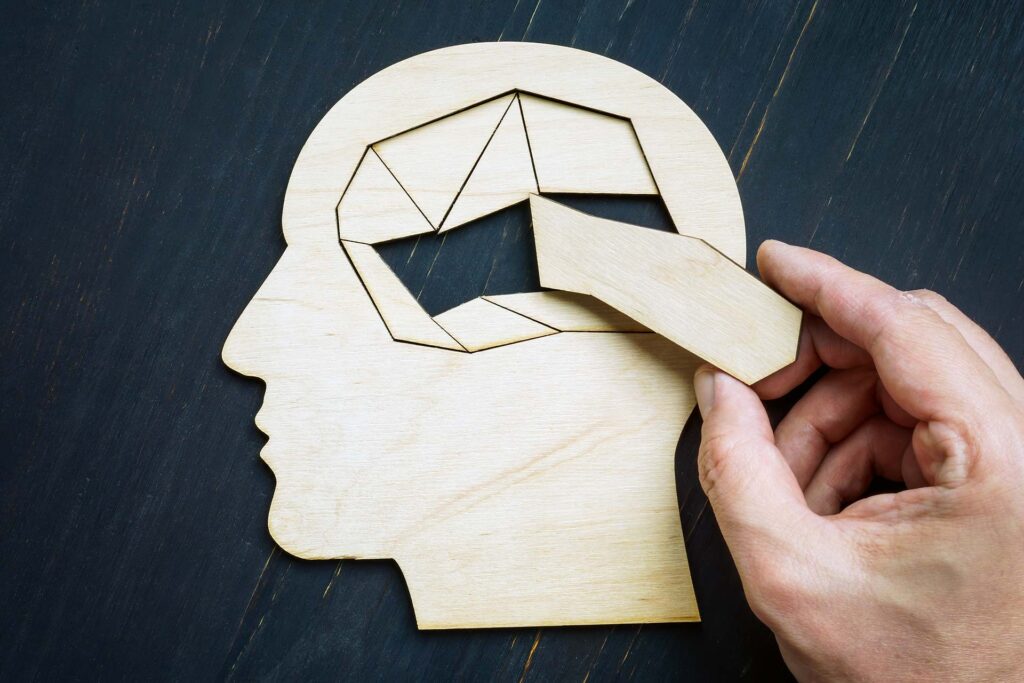
Alzheimer’s disease is the most common cause of dementia in the UK. Dementia is the name for a group of symptoms associated with an ongoing decline of brain functioning. It can affect memory, thinking skills and other mental abilities.
Alzheimer’s is a progressive disease. This means that gradually, over time, more parts of the brain are damaged. As this happens, more symptoms develop, and they also get worse. More than 520,000 people in the UK have dementia caused by Alzheimer’s disease and this figure is set to rise.
If the numbers on Alzheimer’s are scary, the lack of mainstream treatment options makes a diagnosis even more devastating. Despite billions spent developing hundreds of potential new drug treatments, all these new pharmaceuticals have failed to slow – let alone show any ability to reverse – Alzheimer’s dementia or cognitive decline.
So, what can you do – well I am banging my drum again – in the last decade, research has exploded in the field of non-drug interventions – lifestyle changes including diet and exercise, friendships and even prayer – for cognitive decline and neurological conditions including Alzheimer’s and Parkinson’s disease.
Evidence is mounting that our brains are more adaptable than we’ve thought, and that we can repair damage and halt and even reverse cognitive decline by changing our habits.
Psychiatrist Daniel Amen (He was the medical consultant on the 2015 film Concussion, based on the true story of the doctor who discovered brain disease in American football players as a result of repeated head injuries) has been a forerunner in the field of reversing brain decline. He did research in 2011 on pro-footballers – who following losing weight and taking nutritional supplements, more than half demonstrated significant improvement in brain function and cognitive performance – their brains regrew and reorganised neural networks, a phenomenon known as neuroplasticity
The possible reason that a single drug hasn’t worked for Alzheimer’s, is because it is a multifactorial disease. Drugs that target one molecule will not address a problem that could be compared to keeping a roof with 36 holes from leaking. You have to plug as many “holes” as possible, from diet to exercise to nutritional deficiencies.
There are variations of brain health diets, but a big part of any of these protocols is eliminating sugar, processed and pesticide-laden foods that contain inflammatory oils (corn, canola and/or sunflower oil) as well as chemicals like monosodium glutamate (MSG) and Red Dye #40, which can trigger inflammatory storms in the brain.
A ketogenic diet, in which carbohydrates are low enough to flip the body – and brain – into fat-burning mode, has shown benefit, Ketones are produced and that is the favourite food of the brain.
Intermittent fasting, in which the body switches to fat-burning by fasting a minimum of 12 hours per day has a similar effect.
Eliminate
foods that are linked to inflammation and a ‘leaky gut’ such as gluten, dairy and soy – try it for a month and see what effect it has on mind and mood.
You may be thinking that this isn’t different from the advice for heart disease, chronic inflammatory conditions and diabetes – Well spotted, those eagle-eyed amongst you
Whatever is good for your heart is good for your brain and vice versa
It is our blood vessels that age first, so supporting blood flow to oxygenate and feed the brain as well as clearing toxins is important.
So, what else supports blood flow? EXERCISE!!
Not exercising is a major risk factor for memory loss in large part because physical activity helps keep blood vessels healthy, and blood circulation is key to brain health.
Exercise boosts a chemical called nitrous oxide (not to be confused with laughing gas, nitric oxide) which is produced in the walls of blood vessels and helps to control their shape. If blood vessel walls do not receive pulses of blood flow regularly from exercise, they begin to distort, flatten out and limit blood flow overall. As a result, the body’s tissues including the brain do not receive the nutrients they need or have a good mechanism to rid themselves of the toxins that build up in the body.
Regular exercise also:
- Increases the size of the hippocampus, a brain area with a major role in learning and memory
- Stimulates cell growth factors that improve cognition
- Exerts anti-inflammatory effects and improves brain oxidative stress levels, thereby ameliorating the pathological hallmarks of Alzheimer’s disease.
- Maintains coordination
- Increases strength and flexibility
- Allows greater detoxification through sweat
- Enhances sleep and immunity
- Improves executive function.
Studies show that women who are physically fit when they’re middle-aged are less likely to develop dementia. If they do develop it, they get the disease much later – at an average age of 90, compared to 79 for women who are unfit.
No matter what your age, research has shown that you can improve your brain function by exercise, but the type of exercise you choose is important.
HIIT – High-intensity interval training, contact www.f2functionalfitness.co.uk for info.
Lift weights – strength training has a significant in memory performance – contact www.f2functionalfitness.co.uk.
Pick up a racquet – really good for body and mind
Are your medications robbing you of your mind?
Many common drugs deplete important brain nutrients, causing damage that leads to dementia-like symptoms. Be sure to consult your GP before stopping or changing the dose of any medication.
Talk to us at Walnut Grove if you need more advice or support.