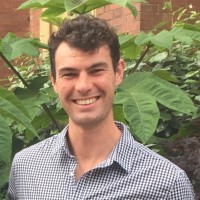
Hello readers! I’ll start by introducing myself. I am Sam, a Registered Dietitian. Not many people have heard of Dietitians, so I’ll briefly explain what a Dietitian is.
What is a Dietician?
A Dietitian is a nutrition expert and is the only nutrition title which is regulated and protected by law. Technically, anyone can call themselves a nutritionist, whereas a Dietitian must complete an accredited course (a minimum of a 4-year degree) and maintain their professional knowledge throughout their career. For Dietitians this is checked annually by the Health and Care Professionals Council (HCPC). The result is Dietitians are held to a higher standard of care. This is not to say nutritionists are bad, just there is little regulation of nutritionists and the advice they give.
For this reason the only nutrition professionals the NHS hires are Dietitians. I have worked in the NHS as a Dietitian. I specialised in gastroenterology for a while (the digestive system and intestines) where I helped people with various problems with their stomachs. I have also held general practice clinics in the NHS. In these clinics the main patients I would see wanted help with weight loss, diabetes control, IBS, weight gain and allergies.
How can a Dietician help?
Diet is more complicated than purely choosing which foods are best for you. Emotions, habits, availability, religion, social and cultural pressures and many other factors influence our diets, which in turn influences our health. Due to the amount of factors involved, nutritional therapy must be specific to an individual. Changing behaviours surrounding diet takes time and trying to change too much at once can be overwhelming and prevent any changes from being possible.
My philosophy in a consultation is to agree upon four achievable changes which work toward your health goal. There is research showing it takes 3 weeks to form a habit. Therefore, after 3 weeks, I encourage developing four more achievable changes to continue working toward your goal. If the first round of changes has been successful, this next phase of changes likely can be slightly more ambitious. This is the process I use to work toward your health goals. Compared to other therapies, such as taking medication, the results are slower but are also more sustained. It takes time to layer on new habits to reach your goals
If you or someone you know would benefit from nutritional therapy please contact Walnut Grove.