
conditions

Why Foot Health Matters in Diabetes
The feet are particularly vulnerable in people with diabetes due to impaired circulation and sensation. Small injuries, like a blister or crack, can go unnoticed and worsen quickly without proper...

What is Plagiocephaly?
The Term Plagiocephaly is a blanket word for covering three different types of flattening on a child’s head. The three different types are: Plagiocephaly, Brachycephaly, Scaphocephaly. All three terms describe...

What is Osgood-Schlatter Disease?
Osgood-Schlatter disease is a similar growth condition to Severs disease which affects the Achilles tendon area but this time the area affected is the growth plate at the front of...

Sporting Adolescents and Me
As an MSK physiotherapist, I treat a wide range of problems, injuries and pains. I treat all ages, but I’ve developed a specialised knowledge area in injuries and problems in...

Headaches: What they are and how to treat them
Headaches are really common! Almost everyone will experience a headache at some point in their life. Most are not caused by anything serious, even though symptoms can be severe and...
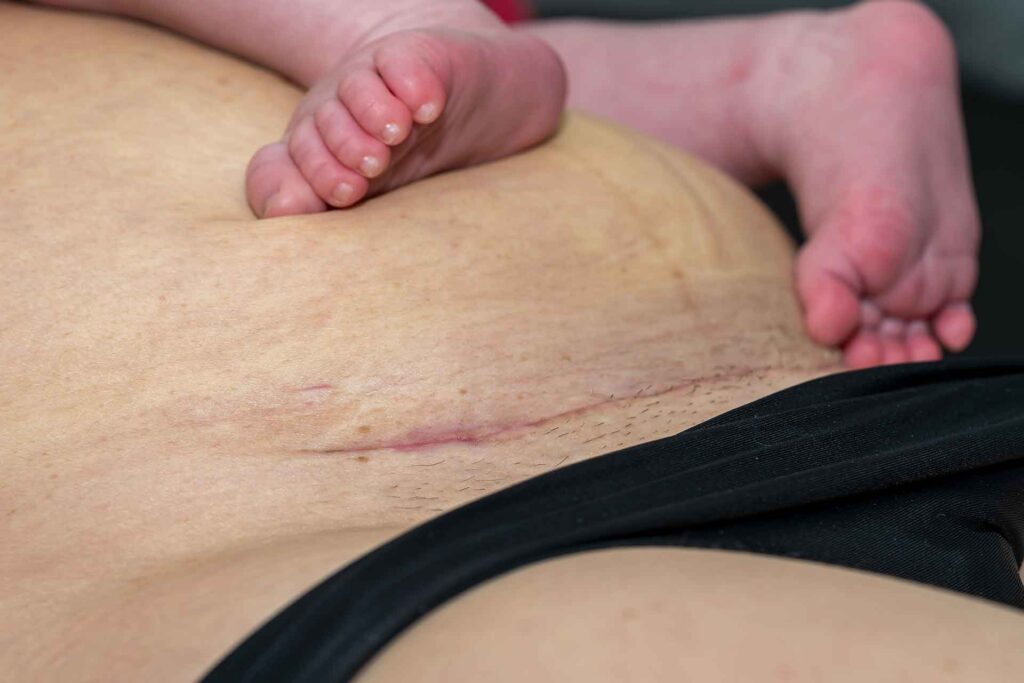
How do Scars affect me?
There are various reasons for a scar on a body from injuries to surgeries and many other causal factors. Why do they affect your body? Scars, even small scars can...

Parkinsons Awareness Month
Parkinson’s is a progressive brain degenerative condition. It is the fastest-growing neurological condition in the world. It is estimated that around 145,000 people lived with a Parkinson’s diagnosis in the...

Deep Vein Thrombosis – An informative guide
A lot of people will have heard of deep vein thrombosis (DVT) but many would necessarily know what it is or what to look out for. An important part of...

Day of Disabilities
December 3rd was International Day of People With Disabilities, an annual occasion designated to join together to support people with disability in our communities, and raise awareness of the importance...

Trigeminal neuralgia – Can anything be done?
The trigeminal nerve is the 5th cranial nerve and has 3 branches – Ophthalmic (top), maxillary (middle) and mandibular (bottom), see the diagram below. The sensory nucleus is in the...